
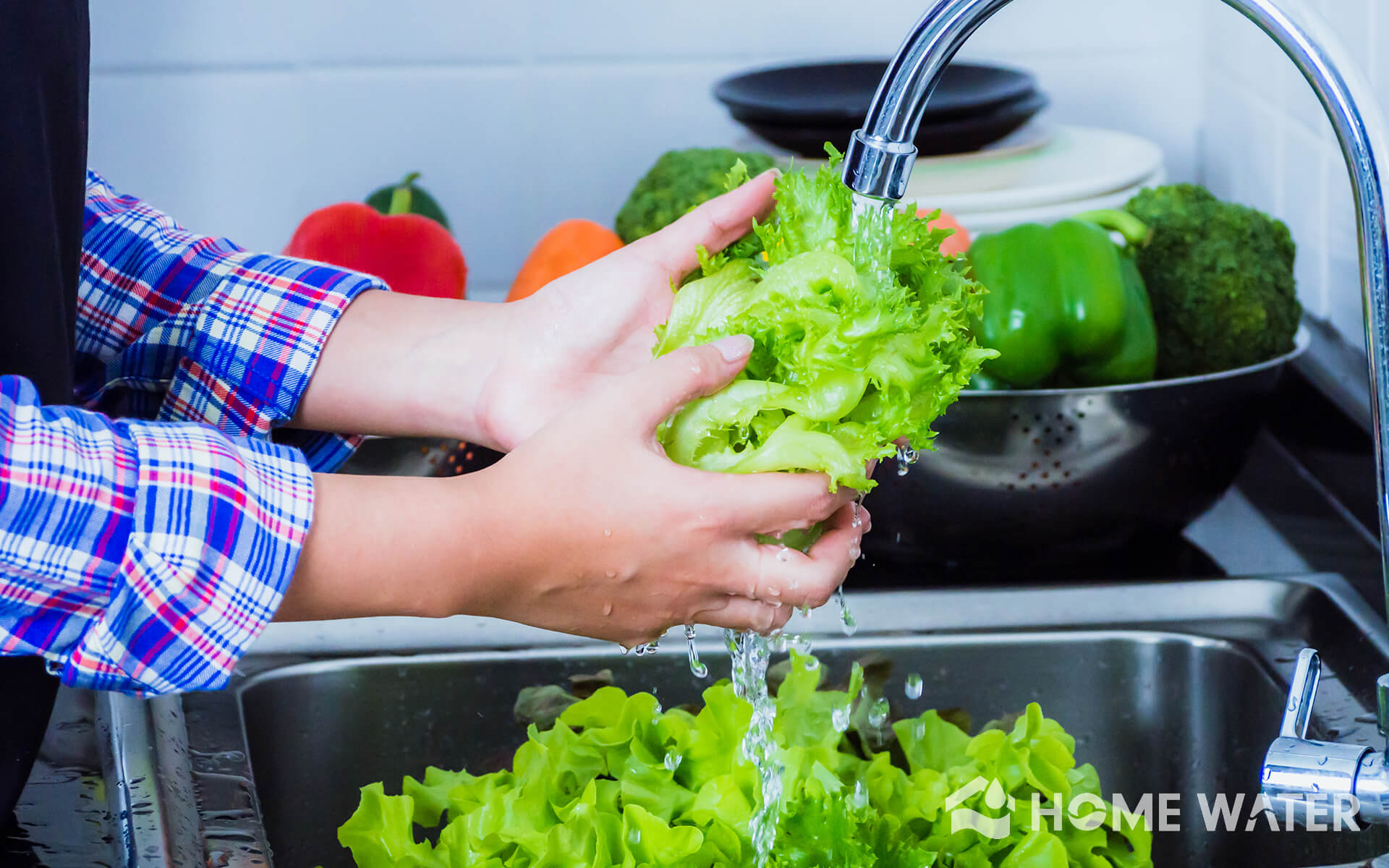
Whole House Water Filter
Whole house water filters are an easy and convenient way to get high-quality, great-tasting tap water in your home. These filters hook up to your home’s main water supply, and then after stripping out contaminants, filtered water gets sent to your home’s pipes to feed into your faucets, showerheads, toilets, and appliances. Unlike other water […]
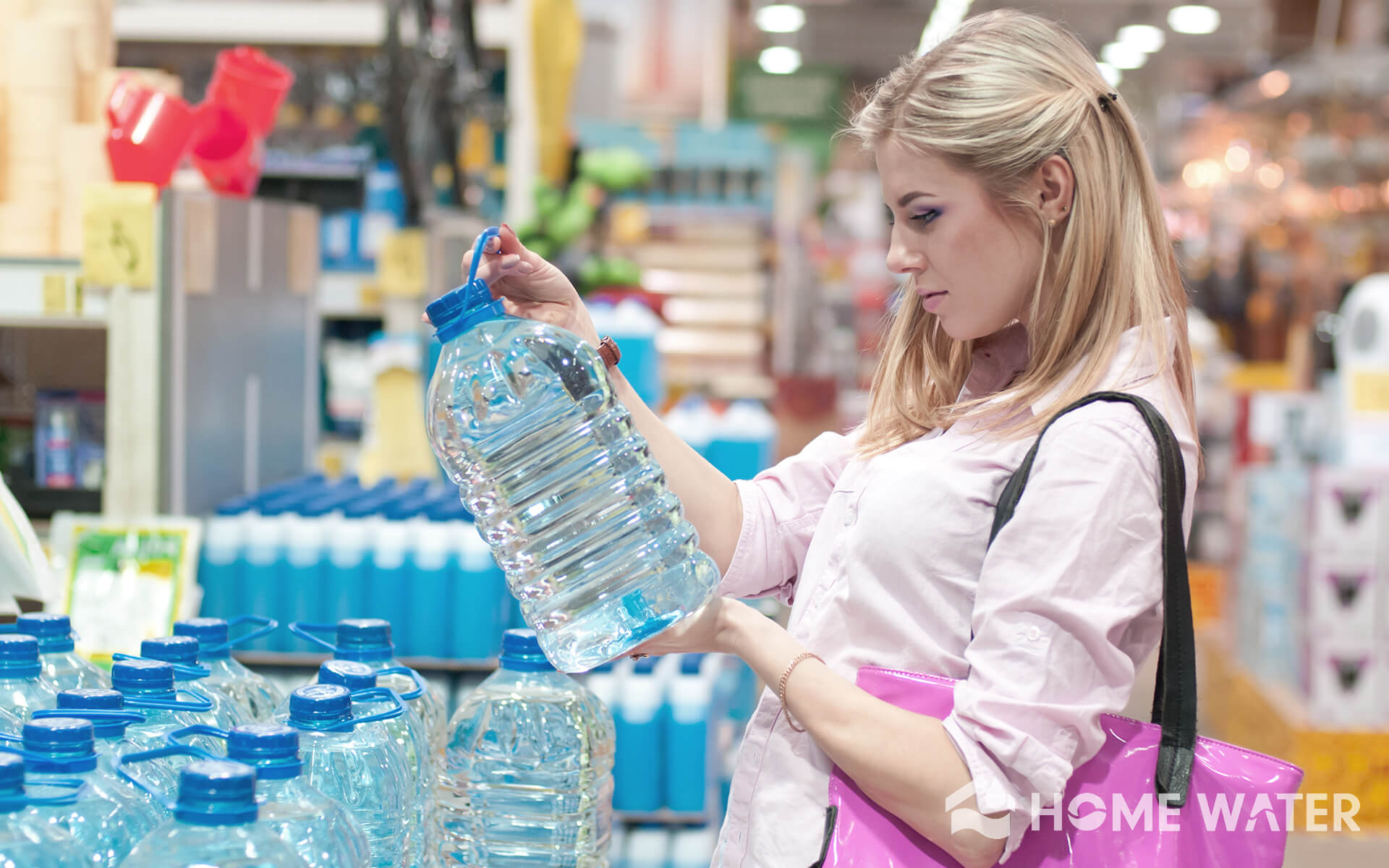
Cost of Bottled Water: Why Is It So Expensive?
Cost of Bottled Water Bottled water is big business in the United States. Consumers spend billions of dollars each year to quench their thirst, placing bottled water squarely at the number one spot for beverage sales in the U.S. In 2018, Americans spent more than $18 billion on bottled water according to the Beverage Marketing […]

Health Benefits Of Filtered Drinking
Drinking Water Filter Few things are as critical to your health as water. It is no exaggeration to say humans run on water. Every last cell, muscle, and joint in our bodies rely on water to function correctly. The problem is that not all drinking water is the same. To optimize your health, the water […]
Arsenic: Health Concerns and Dangers
Arsenic is a natural element that is present in the Earth’s crust and found in water, air, food, and soil. According to the National Institute of Environmental Health Sciences, arsenic in groundwater is a widespread problem. Arsenic levels in water tend to be higher in groundwater sources, such as wells, and lower in surface sources, […]

Everything You Need To Know About Water Bottles
Water Bottle Facts Drinking plenty of clean water is one of the best things you can do for your health, so it’s no surprise that bottled water is the fastest-growing beverage choice in the world.[1] But is bottled water as healthy as it claims? Read these bottled water facts to learn more about the real […]

Is Tap Water Safe? A Healthier Home with Filtered Water
Water—pure, clean, clear water—is a key component to all life as we know it. Without water, nothing can survive. However, clean water is getting harder to find. Tap water from city water systems and private wells alike can contain dangerous toxins that harm your health. Bottled water is no better. The best way to get […]
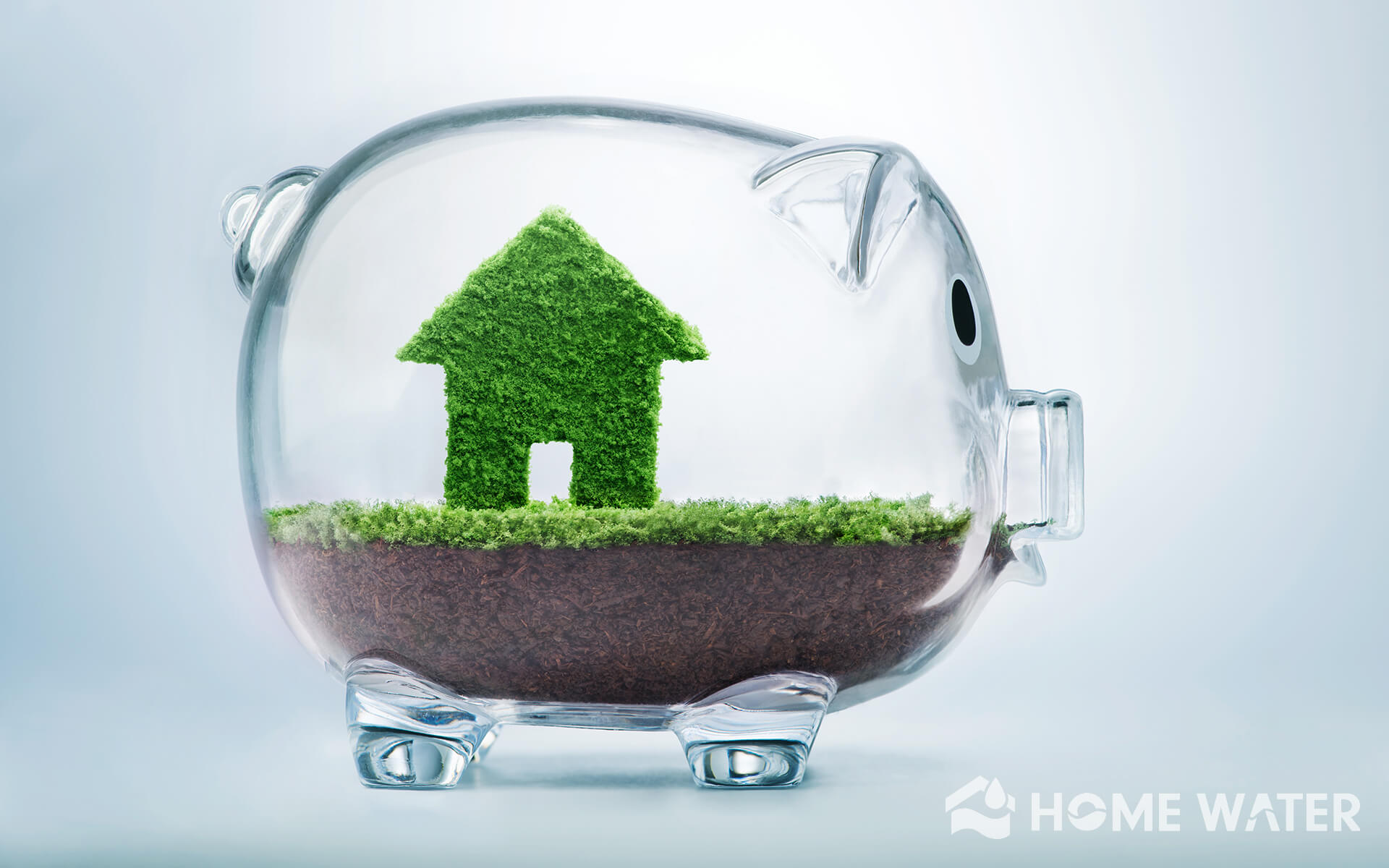
Cost Saving: Is It Cheaper to Buy Bottled Water or a Filter
No matter how you slice it, high-quality, filtered tap water will always cost less than expensive bottled water. Switching from bottled water to a water filtration system could save you hundreds of dollars a year or more. The price difference is due to the plastic water bottles, the manufacturing costs, and the time and money […]
Drink Water the Eco-Friendly Way
Drinking plenty of clean water is one of the best things you can do for your health, so it’s no surprise that bottled water is the fastest-growing beverage choice in the world. However, while bottled water is great for the companies that make it, it’s an ecological disaster for the planet. Environmental Impact of Plastic […]
Learn More About Drinking Water Standards
EPA Drinking Water Standards
The United States Environmental Protection Agency (EPA) regulates the limits of contaminants in the water for public consumption provided by public water systems in order to protect public health. The authority given to the EPA to set standards and regulations comes out of the Safe Drinking Water Act (SDWA), enacted by Congress in 1974 and twice amended and reauthorized in 1986 and 1996. The EPA works with over 150,000 public water systems that serve over 300 million people, to protect against exposure to naturally occurring and man-made contaminants. The process of regulation underlined in SDWA leads to the development of a national primary drinking water regulation in the future.
The EPA has set standards that regulate and control the level of contaminants in the nation’s drinking water. They require set monitoring schedules and methods to measure the number of contaminants in the water most of the population drinks. Under the SDWA these standards are part of the “multiple barriers,” to protect drinking water. They include the assessment and protection of drinking water sources, protecting wells and collection systems, as well as making sure water is properly treated by experts in the field. Other standards include establishing principles of distribution systems and making information about the quality of water available to the public.
Primary Drinking Water Standards
National Primary Drinking Water regulations set mandatory water quality standards for contaminants found in drinking water. These standards are determined by taking into consideration the impact of the contaminants on people’s health and by looking at what is technologically and economically feasible for the water treatment facilities. These national regulations also provide treatment technique requirements for maximum allowable level of a contaminant in water available to users of a public water system. These legally enforceable standards limit the levels of specific contaminants maximum contaminant levels (MCL) and are established to protect the public against consuming water that presents a risk to human health.
Secondary Drinking Water Standards
Secondary drinking water standards are unenforceable federal guidelines regarding aesthetic effects such as taste, odor, color, and non-aesthetic effects such as skin or tooth discoloration in drinking water. The contaminants classified under secondary drinking water standards do not present a risk to human health. Public water systems may test for these contaminants on a voluntary basis.
EPA recommends these standards to the states as reasonable goals, but because they are not mandatory, federal law does not require water systems to comply with them. States may, however, adopt their own enforceable regulations governing these contaminants.